

By Samantha Brown
In Dundalk and surrounding eastern Baltimore County neighborhoods, the stench from the Back River Wastewater Treatment Plant is no longer background noise—it’s become an urgent problem. Residents say odors so overpowering they can’t open windows, enjoy time outside, or feel confident about what they’re breathing should not be normal.
What’s happening at Back River
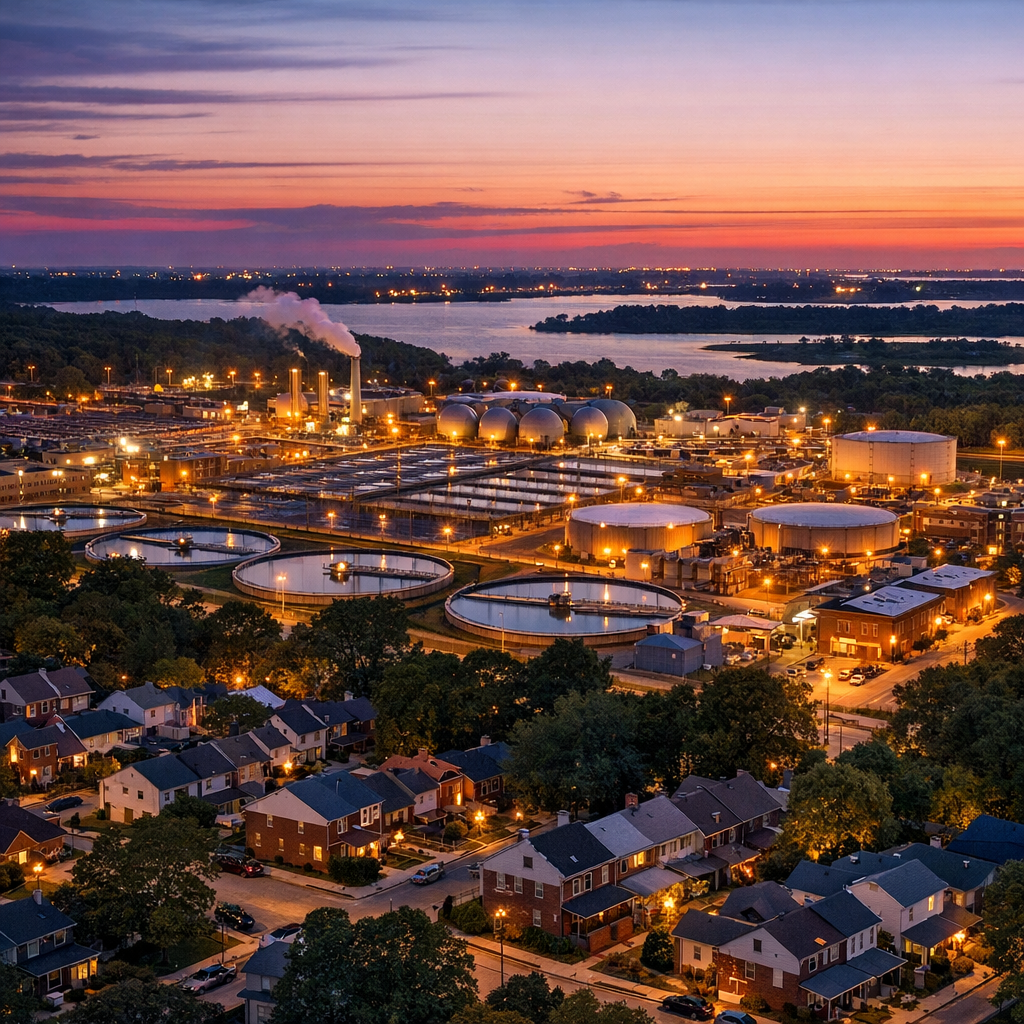
The plant, which processes water for over 1.3 million people across Baltimore City and County, has been plagued by complaints for years about persistent, foul odors. At a recent town hall, neighbors described a smell “like rotten eggs,” overwhelming sewage, and difficulties spending time in their own yards. Many believe failing equipment—especially hydrogen sulfide sensors—and poorly handled sludge storage are contributing factors. Officials confirmed some odorous emissions can also stem from other regional industrial sources. They are responding with multiple studies and immediate mitigation efforts. (Ongoing reporting)
Officials respond—and timelines
Baltimore’s Department of Public Works has launched an odor dispersion study and audited on-site equipment. Among planned upgrades are three-stage odor scrubbers and better treatment of sludge stored in lagoons. Some sensors have malfunctioned and are being repaired or replaced. Also under review: existing permit compliance under the Back River facility’s state consent decree. Authorities say many of the plant’s major repairs are completing this year or early next. But for neighbors, words matter less than results. (Most projects set to complete by end of year or early next year.)
What the community wants
- Transparent public reporting of how often odor complaints are logged, and what triggers are set for immediate action.
- Consistent maintenance of sensors and infrastructure to prevent frequent breakdowns.
- Regular air quality monitoring and enforcement of state and city regulation, including penalties for violations.
- Alternatives such as legal avenues for those whose property values have been harmed.
This issue is not just nuisance—it’s about environmental justice. The people most affected are often low- and middle-income homeowners who feel ignored and are now demanding sustained attention.
Why it matters citywide
Beyond quality of life, there are broader implications: public health risks from prolonged exposure to poor air, damage to local waterways impacting crabbing and fishing, and a test of whether city and state can deliver on accountability promises. As the state’s two largest regulators, Maryland’s Department of the Environment and Baltimore DPW must collaborate and enforce standards that protect people—not just facility operations.
For now, residents wait. Legislators like Delegate Bob Long are pushing for tools that allow neighbors to appeal tax bills or even take legal action. But for many, care for health, home, and dignity cannot wait on red tape and bureaucratic deadlines. It’s time the Back River plant fixes what it can today, not tomorrow.